
Whoa! Seriously? Yeah — the browser-extension wallet world still surprises me. My first impression was: slick UI, too-good-to-be-true simplicity, and somethin’ about the permissions that made my gut tighten. Initially I thought it was just another pretty face on the Solana scene, but then I dug into the permission prompts and transaction flows and realized there were lots of small UX choices that matter. On one hand it feels like Apple-level polish; on the other, there are trade-offs that only show up when things go sideways.
Hmm… here’s the thing. Wallets are trust machines more than they are software. You click a button and your money moves, and that click carries weight. I’m biased toward tools that make that weight visible, not hidden, because I’ve watched people paste seed phrases into sketchy notes and blame the wallet later. So yeah, the learning curve isn’t long, but the safety curve is. I remember a friend sending me a screenshot: “Is this legit?” — and my instinct said “Nope,” which it turned out not to be. That kind of hands-on nuance is exactly why I’m writing this.
Okay, practical bit first. If you want to get Phantom and not stumble into copycat traps, use the official installer link I prefer… phantom wallet download extension. Quick heads-up: many knockoffs mimic logos and button text; watch the URL and permissions. When you install, the browser will ask for modest rights — access to sites you visit for injecting the UI — and that’s normal, though it’s worth pausing for a breath. My advise: read the prompt; don’t just mash Accept because the app looks familiar.
Short story: setup takes five minutes. Really. You create a new wallet or restore an existing seed phrase, set a password for the extension, and then you’re live. There are small options — auto-lock timers, hidden account names, ledger integration — that you should tweak right away. Something felt off the first time I missed the auto-lock setting and left my laptop, so learn from my lazy mistake… lock it down.
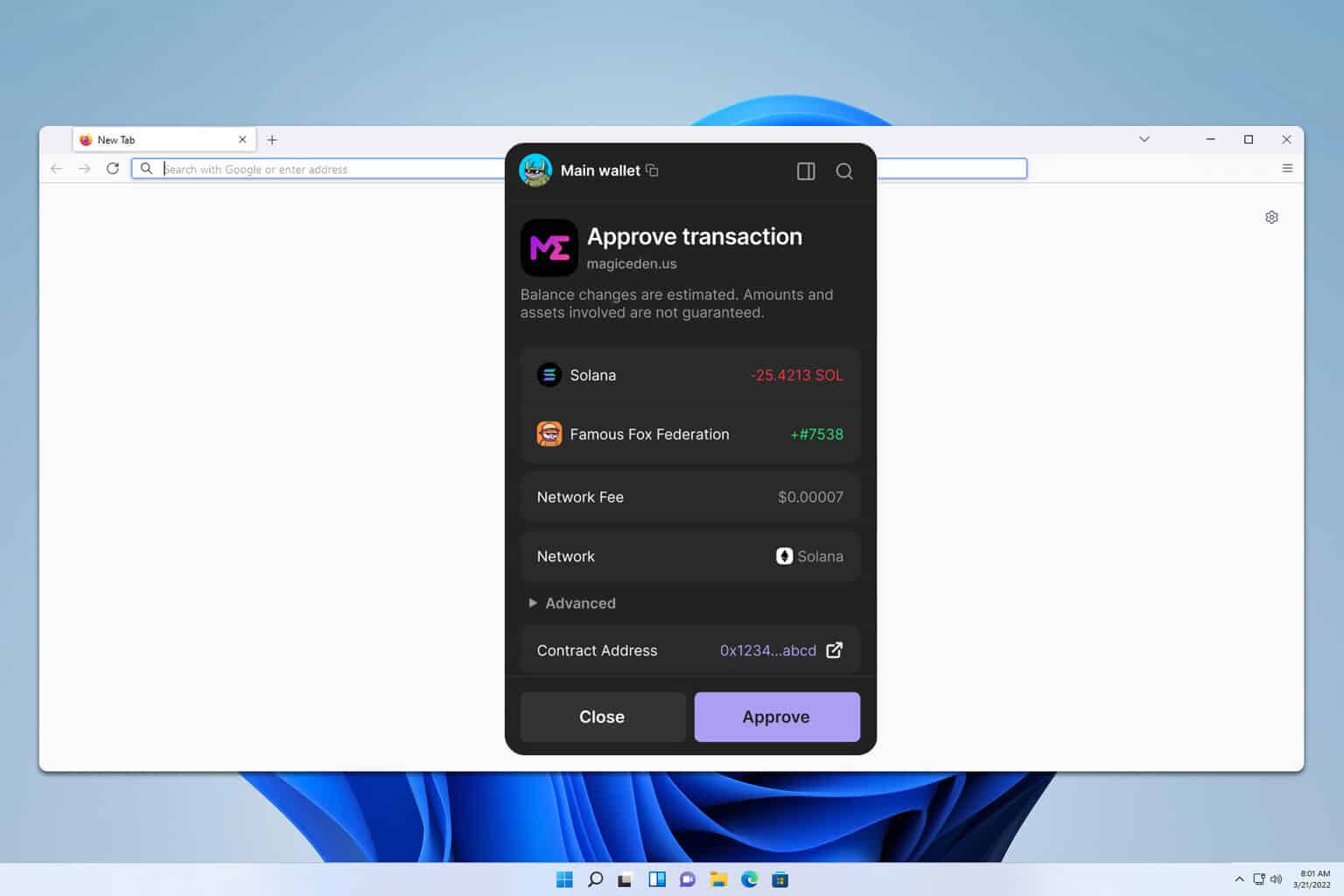
Okay, now let’s talk trade signing. Whoa! This part is crucial. Phantom shows a detailed transaction preview, but the level of detail depends on how the dApp constructs the instruction; sometimes it will show token amounts and recipients clearly, sometimes it will show low-level program data that looks like gibberish. Initially I thought “if it looks weird, reject,” but actually, wait—let me rephrase that: if you’re unsure, pause and open the transaction on a block explorer or ask the dApp team. On one hand most transactions are benign, though actually some malicious contracts hide approval flows inside seemingly normal interactions.
My instinct said use hardware wallets for anything serious. And that’s still my stance. Phantom supports Ledger and that integration is a lifesaver if you hold significant funds. I tested this: signing with Ledger requires physically approving each transaction, which eliminates a huge class of browser compromise attacks. But there are caveats — the first-time pairing can be finicky across Chrome/Edge/Brave, and the UX isn’t as smooth as the extension-only path. Still, for long-term holdings, it’s very very important to use a hardware signer.
Wallet backups? Don’t be cute about them. Write your seed phrase on paper and store it like it’s a house key. Really. Digital copies, screenshots, email drafts — they all leak eventually. I keep a rotated, coded backup in a safe deposit box because I’m paranoid and also because losing access sucks more than any software update. There are trade-offs, yes — convenience vs. safety — and you have to choose based on how much you value those funds.
Something that bugs me: a lot of people underestimate approvals. “Approve once and forget” is how scams get traction. Phantom has an approvals list where you can revoke sites’ rights to interact with your tokens, and you should use it. I often open the approvals dashboard and clean out stale allowances — it takes two minutes and it reduces attack surface drastically. On the flip side, some legitimate dApps require recurring approvals for functionality, so revoking can break things if you aren’t careful.
Here’s a quick workflow I recommend for daily use. Step one: open the extension, glance at the balance, and check for any pending approvals. Step two: when a dApp requests a connection, look at the domain name and confirm visually that the page you expect is loaded. Step three: preview the transaction and, if anything is unclear, decline and investigate first. This conservative habit costs milliseconds but saves dollars. Oh, and by the way — clear your connected sites list monthly if you’re a heavy user.
On performance: Phantom is light. It doesn’t bog down the browser the way some wallet overlays do, and the UI animations feel native. There are occasional hiccups during network congestion on Solana, which can make “confirmations” slower or cause retries. Initially I thought these were browser issues, but profiling showed they were network-level delays; in short, patience matters when the chain is busy. If you’re trading in a hurry, consider a fee strategy and be aware that rapid retries can duplicate actions if you’re not careful.
A few oddities and real-world stories
I’ll be honest: I’ve seen people download what looked like Phantom from an ad and then wonder why their seed phrase vanished. It’s messy. Once, a client restored a wallet on a random extension and lost tokens minutes later — the lesson was brutal but clear: double-check sources and keep hardware backups. On the other hand, I’ve also seen phantom save the day when a user recovered an old seed and reclaimed an airdrop that they’d forgotten about. The crypto world is weird like that — it swings between bright and ugly in a heartbeat.
Common questions people actually ask
Is Phantom safe for new users?
Short answer: yes, if you follow basics. Use the official source, keep your seed offline, enable hardware signing for large sums, and regularly audit approvals. I’m not saying it’s infallible — nothing is — but for everyday Solana use it’s one of the more user-friendly and sensible options out there.
Can I use Phantom with Ledger?
Yes. Pairing adds a strong security layer because the private key never leaves the device. The setup can be finicky across browsers, so expect to fiddle a bit the first time. Once set, it’s the difference between a paper lock and a steel vault.